
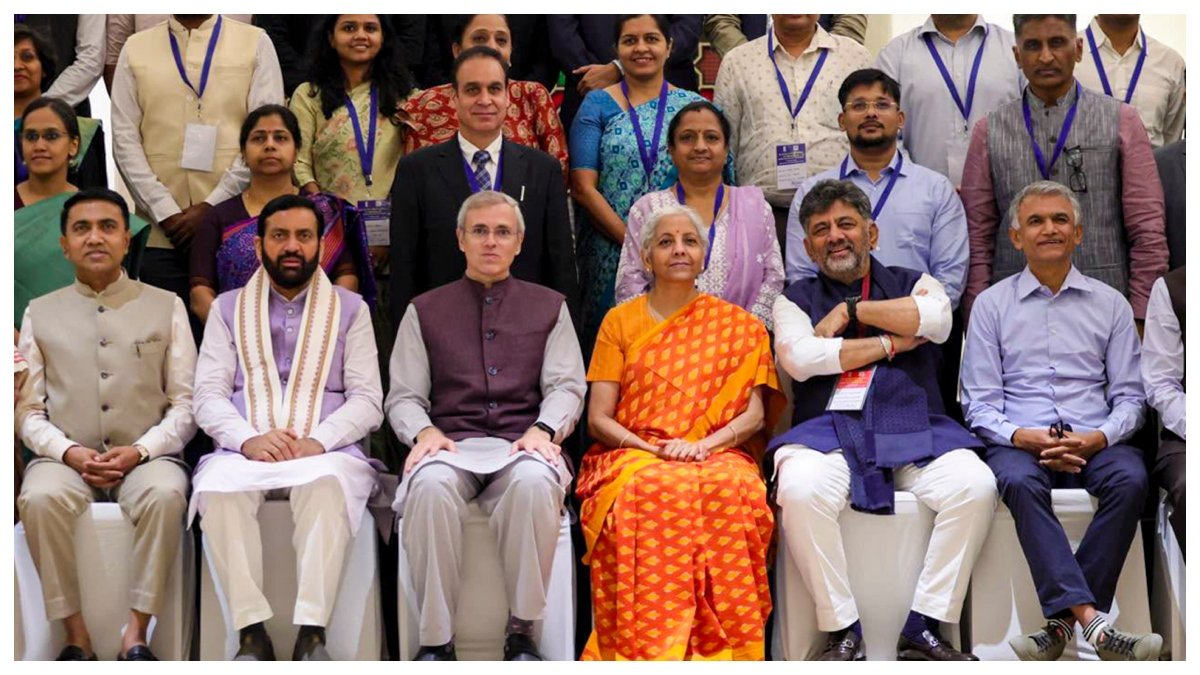
New Delhi: The GST Council approved changes to tax administration, including removing GST officers’ arrest powers, raising the criminal prosecution threshold to Rs 5 crore and speeding up refunds, with implementation scheduled for April 1, 2027.
The decisions, announced after the Council’s 57th meeting, aim to simplify compliance, reduce disputes and improve working capital for businesses.
Finance Minister Nirmala Sitharaman said trust in taxpayers was central to the reforms. She expects the process changes to take a year to stabilise.
Arrest powers and penalties
The Council approved removing GST officers’ power to arrest taxpayers and increasing the threshold for criminal prosecution to Rs 5 crore.
Under the existing framework, Section 69 of the Central GST Act allows authorised arrests for specified offences, subject to conditions.
Tax authorities will continue assessing and recovering tax, interest and applicable penalties. The package also includes reduced penalties and a Rs 10,000 threshold for serving GST notices.
Faster refunds for businesses
The acknowledgement period for refund applications will fall from 15 days to 10 days.
If officials issue neither an acknowledgement nor a deficiency memo within that period, the application will be treated as acknowledged.
Based on risk assessment, the system is expected to sanction 90 per cent of claims within three working days of acknowledgement. Sitharaman said faster refunds would release working capital for businesses.
Simpler compliance for small firms
The Council approved easier registration procedures for small suppliers selling through e-commerce platforms and simpler processes for changing GST registration details.
It also cleared a concept note for an optional scheme covering businesses with turnover up to Rs 5 crore that sell only to consumers.
The proposed scheme would allow one annual return and quarterly tax payments. Its detailed framework will come up for a decision before the next Council meeting.
Wider input tax credit
The Council recommended input tax credit on health and life insurance purchased for employees, telecommunications towers and pipelines outside factories.
It also recommended credit on free samples and expired stock where destruction is legally required.
Also read: Industry Seeks GST Input Tax Credit Relief, Urges Council To Reduce Litigation
A committee will examine invoice matching and safeguards for genuine buyers who have valid invoices, receive goods and pay suppliers. Its report is expected within three months.
Checks on goods movement
Vehicles carrying goods should be stopped only on specific intelligence, with prior authorisation from an officer of at least Joint Commissioner rank.
Only source and destination states would inspect consignments, while states along the route would not stop vehicles.
The Central Board of Indirect Taxes and Customs is working towards centralised administration by April 1 for about two lakh taxpayers operating across multiple central GST jurisdictions. A unified window would handle their central GST functions, reducing the need to deal with multiple offices.