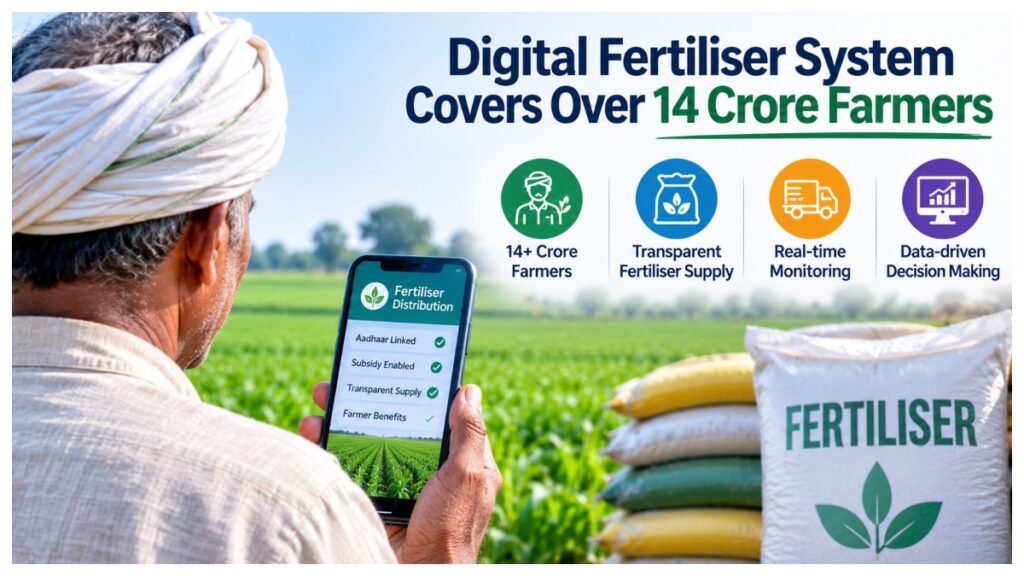

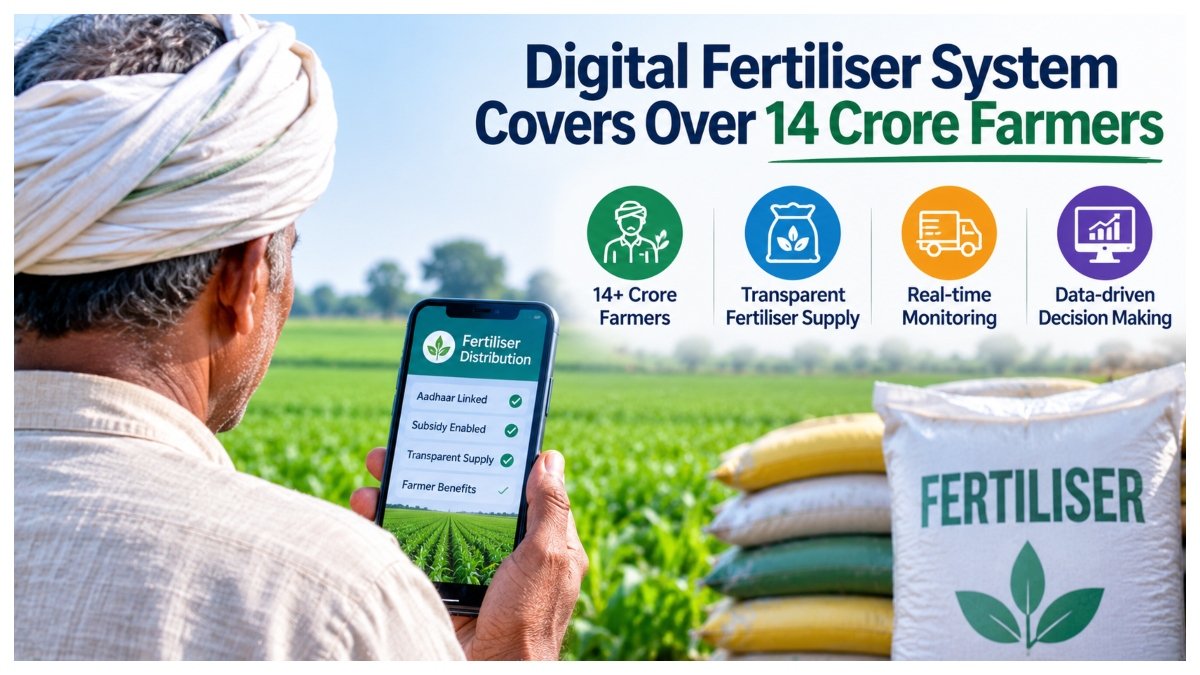
New Delhi: India’s Integrated Fertiliser Management System (iFMS) now covers more than 14 crore Aadhaar-linked farmers as the government expands digital monitoring of fertiliser distribution and subsidies.
The nationwide platform also connects more than 2.5 lakh retailers and handles around seven crore metric tonnes of fertiliser sale transactions annually.
It supports the administration of nearly ₹2 lakh crore in fertiliser subsidies every year.
Tracking Fertiliser Supply
Developed and technically supported by the National Informatics Centre (NIC) for the Department of Fertilisers, iFMS connects major stages of the supply chain.
These include production, imports, movement, stock availability, retail sales and subsidy processing.
New dashboards allow officials to track production, imports, dispatches, stocks and sales at national, state, district and retailer levels.
The tools can help authorities identify unusual trends and potential supply issues earlier.
AgriStack Integration Expands
The government is also integrating iFMS with farmer, land and crop databases.
Integration with Haryana’s Meri Fasal Mera Byora and work with AgriStack have helped link fertiliser purchases with farmer and agricultural information.
Under the Framework for Fertiliser Sale, farmers can book fertilisers through a mobile-based system using their AgriStack ID.
After verification of land and ownership details, a QR-based booking is generated.
The information can then be accessed through Point of Sale devices to compare booked requirements with actual purchases.
The framework is being implemented in phases before wider adoption.
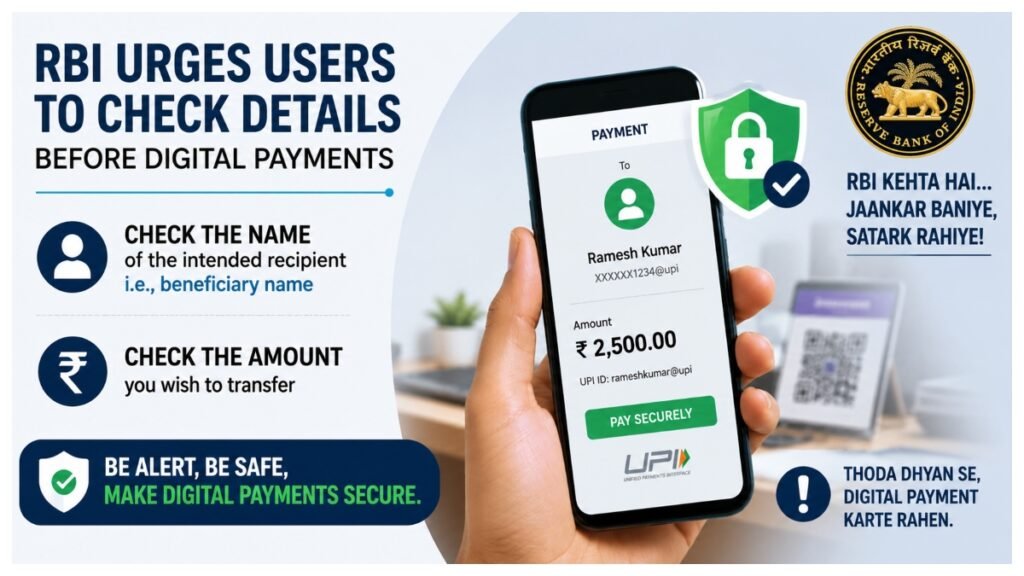
Also Read: RBI Digital Payment Alert: Check These Details Before Sending Money
Subsidy Monitoring Strengthened
The Vehicle Location Tracking System is also being used to improve visibility of fertiliser movement across the supply chain.
Meanwhile, subsidy payments remain linked to actual sales recorded through the PoS network.
Random verification and analytical checks are being introduced to strengthen scrutiny of Direct Benefit Transfer transactions.
The government expects these digital initiatives to improve fertiliser availability, transparency, subsidy administration and data-driven management of agricultural inputs.