
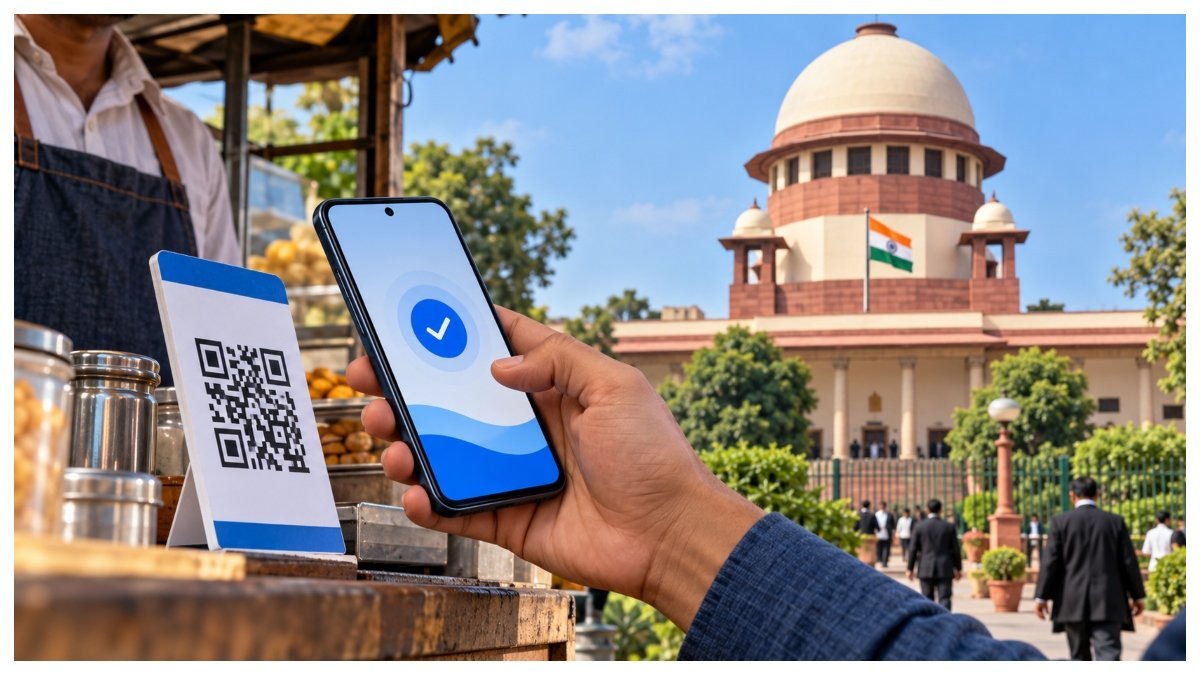
New Delhi: UPI payments above Rs 2,000 will attract a merchant discount rate (MDR) from October 15, according to the supplied report. It says the Supreme Court declined to stay the rules during a September 28 hearing.
However, the court reportedly gave the Centre, Reserve Bank of India (RBI) and National Payments Corporation of India (NPCI) four weeks to respond. Here is what that means.
What Does The Notice Mean?
A notice seeks the respondents’ position on the petition. It does not, by itself, suspend the policy or direct the government to withdraw it.
The report says a three-judge bench headed by Chief Justice Surya Kant sought responses while refusing interim relief. These are separate steps: the challenge can continue while the disputed rules remain operative.
Why Is MDR Being Challenged?
The petitioner argues that merchant charges could encourage businesses to return to cash, undermine digital payments and increase opportunities for unaccounted transactions.
The petition also alleges inadequate consultation and failure to follow the required legal process. Small traders, it argues, could face additional costs.
What Is The Government’s Position?
According to the report, the government told the court that UPI transactions remained free for ordinary customers and small merchants.
Banks and payment companies argue that maintaining payment infrastructure and cybersecurity involves substantial expenditure. Charging larger merchants, they say, could help make the system financially sustainable.
Also read: UPI Stays Free For Users, Know- Why 0.4% Fee Above Rs 2,000 Still Matters?
The government also described MDR as neither a tax nor a fee collected by it.
What Happens After Four Weeks?
The four-week period is a deadline for responses, rather than an automatic pause on implementation. On the report’s account, charges would begin on October 15 unless an intervening order changes that position.
Responses would inform subsequent hearings. However, their submission would not automatically produce a final ruling or guarantee that charges are withdrawn.
The key distinction is between the implementation date and the court’s response deadline. The report does not establish when the case will conclude.