
Mumbai: Consumers will continue paying nothing for UPI transfers even as India introduces a new merchant fee structure designed to fund the digital payments network. From October 15, 2026, selected merchant transactions above Rs 2,000 will attract a Merchant Discount Rate of up to 0.4 per cent.
Who Bears The Charge?
The National Payments Corporation of India said the revised MDR will be imposed on eligible Person-to-Merchant payments, rather than customers. Merchants accepting qualifying higher-value transactions will bear the processing cost, capped at Rs 300 per payment.
For railways, telecom services, insurance and fuel, the framework replaces the percentage-based levy with a flat charge of Rs 5 on transactions exceeding Rs 2,000.
Everyday Payments Untouched
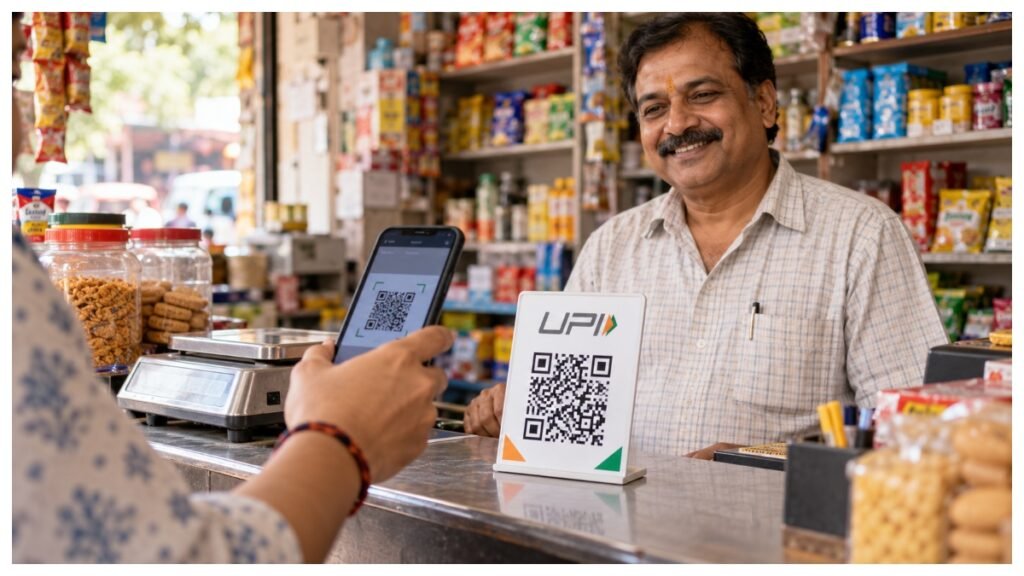
Routine UPI usage will remain largely insulated. Person-to-Person transfers will remain free, while merchant payments worth Rs 2,000 or less will stay outside the MDR framework.
NPCI estimates that more than 95 per cent of low-value P2M transactions will remain exempt. Consumers can therefore continue scanning QR codes without paying a fee, irrespective of whether the merchant transaction attracts MDR.
Small Sellers Retain Relief
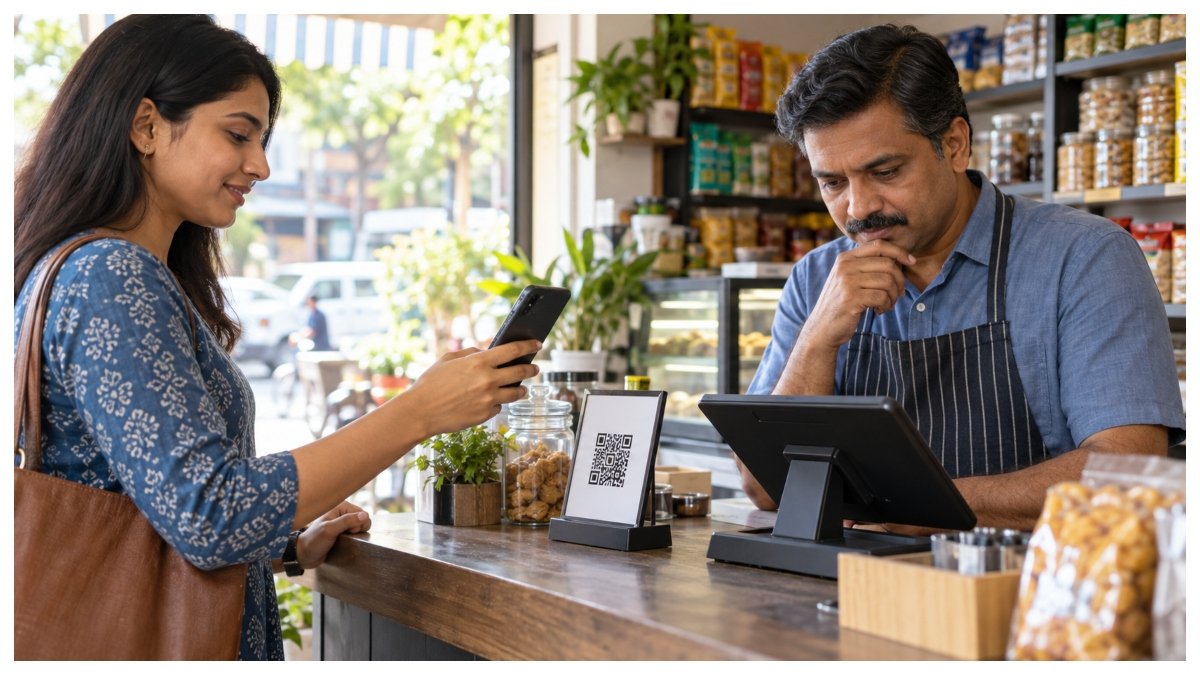
Small vendors classified under the Person-to-Person Merchant model will also retain zero MDR. The category covers merchants receiving up to Rs 1 lakh monthly through QR-based UPI payments credited directly to bank accounts.
Also read: Fed, Crude Oil, West Asia Tensions To Drive Bullion
The protection is aimed at preventing costs from discouraging neighbourhood retailers, street vendors and other small businesses from accepting digital payments.
Funding UPI’s Next Phase
The policy marks a shift towards generating revenue from selected high-value merchant payments while preserving UPI’s free consumer proposition.
MDR collections will be distributed among participants across the UPI ecosystem and used to strengthen infrastructure, cybersecurity, resilience and innovation. A dedicated fund has also been proposed to expand merchant acceptance, particularly in Tier-3 cities and smaller markets.
The balancing act is clear: larger payments will help finance the network, while consumers, small merchants and the majority of everyday transactions remain shielded from charges.