
Mumbai: India’s economic growth in the April-June quarter of FY27 could be stronger than earlier projections, according to SBI Research.
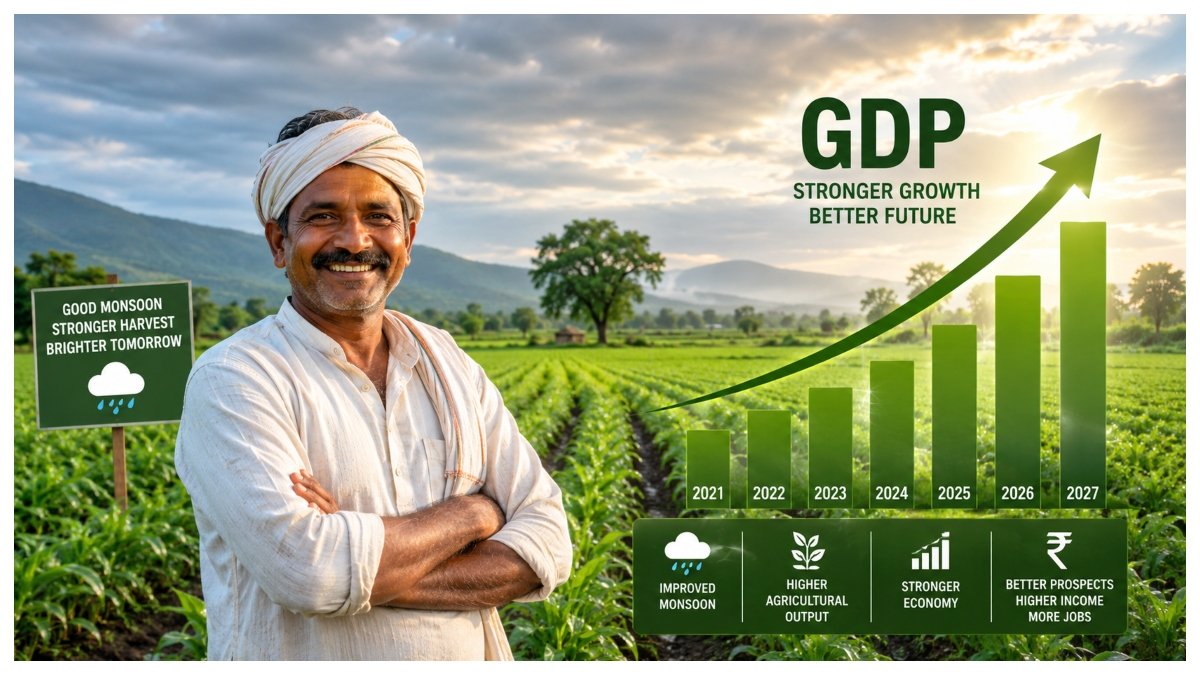
The report estimates that GDP may expand by 7% during the first quarter, exceeding the Reserve Bank of India’s latest forecast of 6.6%.
The RBI had lowered its growth estimate in recent monetary policy reviews because of geopolitical tensions in the Middle East. However, SBI Research believes domestic economic conditions have improved since then, creating room for stronger-than-expected growth.
Monsoon Recovery Lifts Outlook
One of the biggest positives has been the improvement in the southwest monsoon.
After a weak June, when rainfall was around 40% below normal, above-normal showers in July reduced the nationwide rainfall deficit to about 13%.
Most states received favourable rainfall during the key sowing month, supporting agricultural activity. Kharif sowing is currently only 4.7% lower than the same period last year, indicating that crop production may remain largely unaffected.
Inflation Risks Still Remain
Despite the stronger growth outlook, inflation remains an area of concern.
The report expects consumer price inflation to remain above 5% over the next two quarters, although Q1 FY27 inflation settled at 3.9%. Higher global crude oil prices, weather-related risks and supply-side pressures could keep inflation elevated.
However, imported inflation remained limited until April because higher international oil prices were not fully passed on to domestic fuel prices.
El Niño Could Impact Winter Crops
The report cautioned that El Niño continues to strengthen and may persist into 2027.
While current reservoir levels remain close to normal, below-normal rainfall during August and September could affect the upcoming rabi season if weather conditions deteriorate.
Even so, SBI Research believes India’s macroeconomic fundamentals remain resilient. Improved rainfall, stable reservoir levels and stronger domestic activity are expected to support growth, even as policymakers continue monitoring inflation and global developments.