
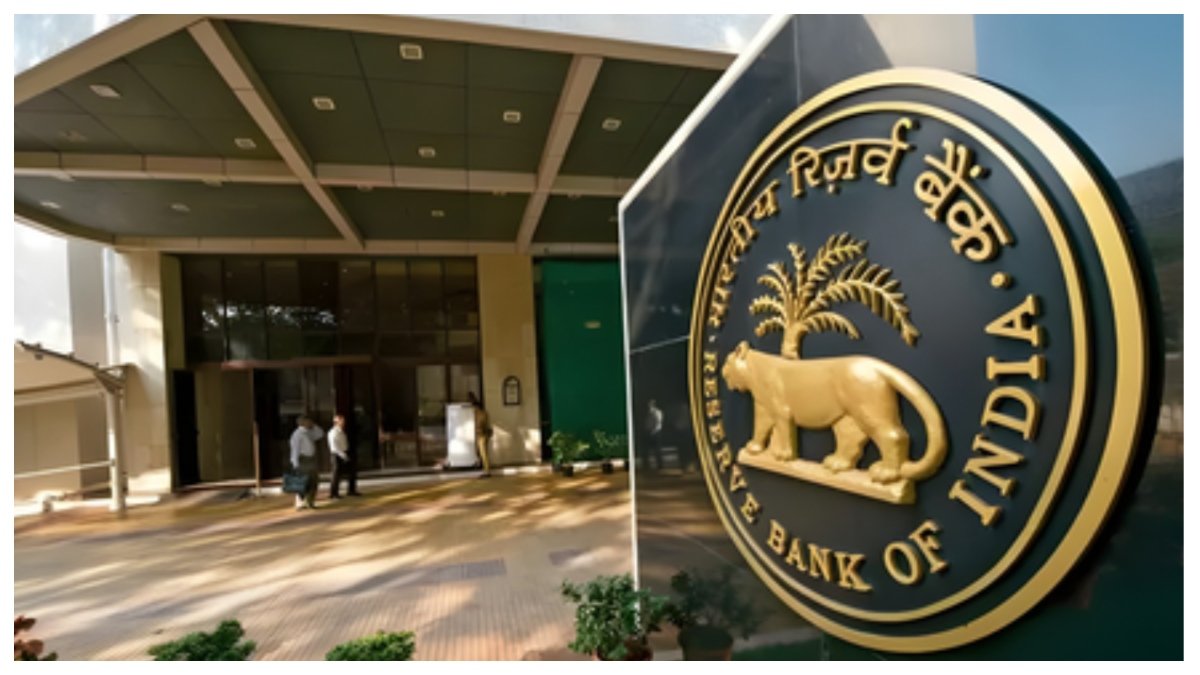
The Reserve Bank of India’s Monetary Policy Committee (MPC) will begin its three-day meeting on August 3, with economists expecting no change in the repo rate, which currently stands at 5.25%.
According to a report by Nuvama, the RBI is likely to maintain the current interest rate while closely monitoring inflation and liquidity conditions. Instead of another rate move, the central bank may focus on ensuring enough liquidity in the financial system.
Inflation Still A Key Concern
Inflation remains one of the biggest challenges for policymakers.
Global crude oil prices have remained volatile due to tensions involving the United States and Iran. Supply disruptions in the Strait of Hormuz and the Red Sea have also created uncertainty over energy and shipping costs.
Domestically, the risk of an uneven monsoon and the possibility of El Niño affecting agricultural output could keep food inflation elevated. Price increases by several companies may also add to overall inflationary pressures.
These factors are expected to encourage the RBI to wait before making any changes to policy rates.
Liquidity May Take Priority
Nuvama believes the RBI’s immediate priority could be liquidity management rather than further monetary easing.
India’s financial conditions have tightened in recent weeks, with 10-year government bond yields moving higher. Rising bond yields naturally tighten borrowing conditions, reducing the urgency for another repo rate adjustment.
As a result, the RBI is expected to adopt a cautious and flexible approach while assessing incoming economic data.
Growth Outlook Remains Uneven
The broader economy continues to show mixed signals.
While bank credit growth has improved, economic activity is still uneven across sectors. Recent GST rate reductions have supported demand, but analysts expect this benefit to fade during the second half of FY27.
At the same time, weaker global demand and weather-related risks could weigh on exports and agricultural production. Given these uncertainties, economists believe the RBI is likely to maintain the status quo until there is greater clarity on inflation and growth.