
New Delhi: Retail and wholesale inflation accelerated in August as higher food and energy costs increased price pressures, putting the Reserve Bank of India’s October policy meeting firmly in focus.
Retail Inflation Hits New-Series High
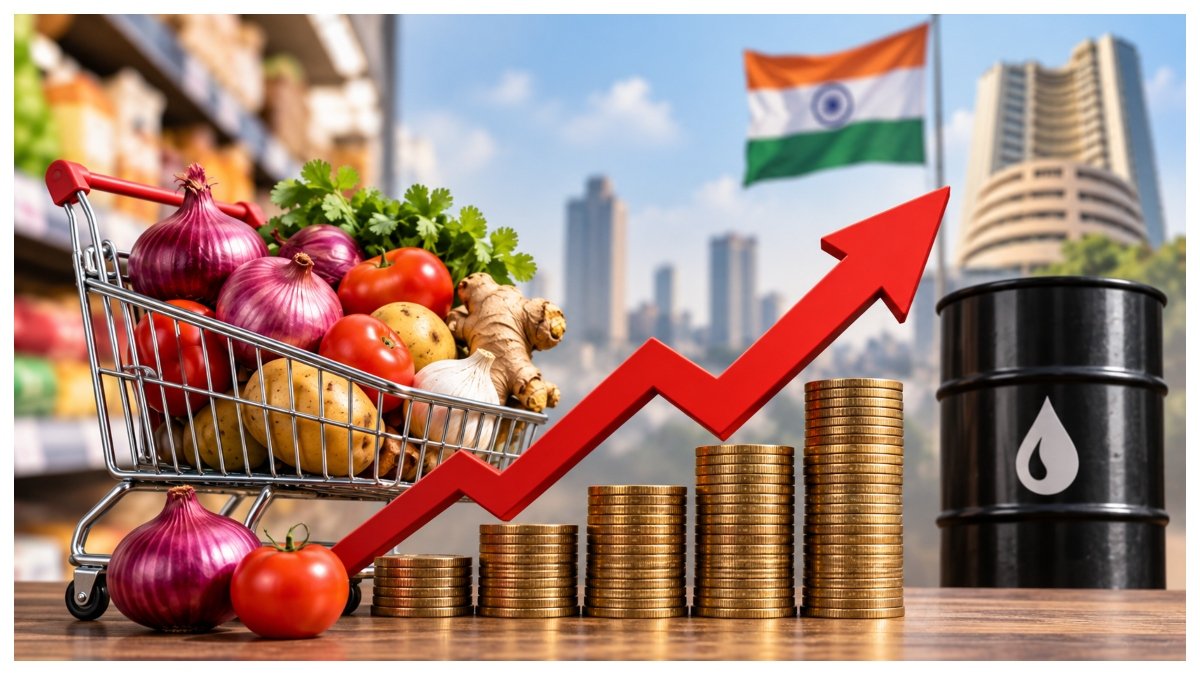
Consumer Price Index inflation rose to 4.82% in August from 4.45% in July, the highest reading since the new CPI series with base year 2024 began in January.
Rural inflation stood at 5.23%, while urban inflation was 4.31%, according to National Statistics Office data. Retail food inflation increased to 5.95% from 5.52% in July.
Vegetables Drive Food Pressures
Onion inflation jumped to 48.27% from 22.54% in July, while garlic inflation climbed to 43.6%. Ginger recorded an even sharper 73.82% rise.
Prices of tomatoes, potatoes, lady finger and parwal, however, contracted. Telangana recorded the highest retail inflation among states at 6.27%, while Mizoram had the lowest at 2.35%.
Wholesale Inflation Nears 10%
Wholesale Price Index inflation rose to 9.92% in August from 9.78% in July, marking the second-highest reading under the new WPI series with 2022-23 as its base year.
Wholesale food inflation increased to 7.05% from 6.65%. Inflation in manufactured products reached a series high of 8.37%, while fuel and power inflation surged to 22.93% from 20.05%.
RBI Faces Tougher Policy Call
The RBI’s Monetary Policy Committee will meet from October 5-7 after keeping the repo rate unchanged in August. The central bank has projected FY27 CPI inflation at 5%, with the second quarter estimated at 4.7%.
Also read: HDFC Bank Sends RBI Two Names For Next MD & CEO, Succession Race Enters Final Stage
Crisil Chief Economist Dharmakirti Joshi said elevated energy prices are feeding into broader costs, while strong growth and West Asia tensions are reducing room for monetary policy to remain on hold.
Brickwork Ratings’ Rajeev Sharan expects headline inflation around 4.5-5%, with food remaining the main swing factor. An SBI research report has recommended 25-basis-point rate increases in both October and December to counter persistent external and inflationary pressures. Higher crude prices remain a key upside risk for inflation ahead domestically.