
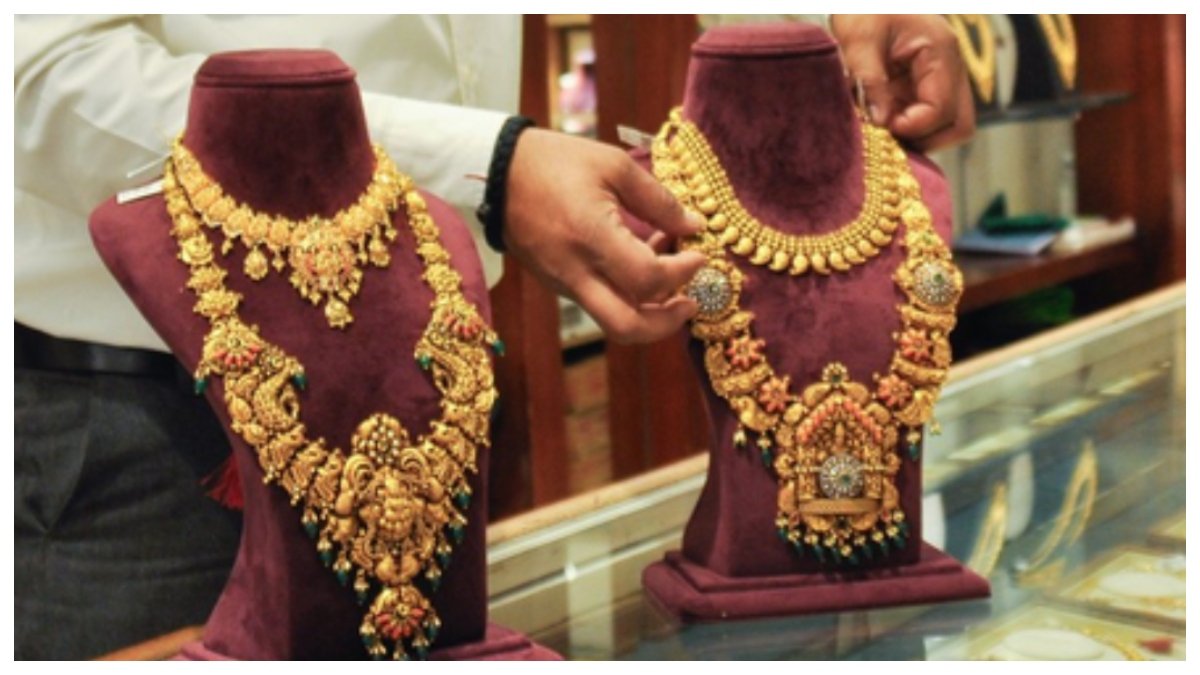
New Delhi: Gold loans extended by non-banking financial companies (NBFCs) continued their rapid expansion in July 2026, rising 68.5% year-on-year as demand for secured borrowing remained strong, according to Reserve Bank of India (RBI) data.
The growth remained close to the 69.3% recorded in June and was significantly higher than the 43.9% increase seen in July 2025.
Higher Gold Prices Support Lending
The sharp rise in gold prices over recent quarters has increased the value of jewellery pledged by borrowers, allowing households to access larger loans against their holdings.
Gold loans are also considered relatively secure by lenders because they are backed by a highly liquid asset with an established resale value.
However, the rapid growth has also drawn attention to whether households are increasingly using such borrowing for consumption instead of productive activities or asset creation.
Consumer Durable Loans Rise 51.5%
Loans for purchasing consumer durables also recorded strong growth. Credit in this segment increased 51.5% year-on-year in July, compared with 46.8% in June.
The pace was substantially higher than the 18.8% growth registered in July last year.
Housing loans extended by NBFCs, including housing finance companies, increased 11.9% year-on-year. This compared with 11.4% growth in June and just 4% in July 2025.
Vehicle Loan Growth Remains Stable
Vehicle loans showed little change in momentum, growing 15.1% in July. Growth stood at 15.2% in June and 15.3% in July last year.
Overall retail credit provided by NBFCs and housing finance companies expanded 21.4% year-on-year, indicating continued strength in household borrowing across major loan categories.
Also read: NSE pre-open session: What happens from 9 am to 9:15 am?
Services Credit Growth Slows
In contrast, lending growth to the services sector moderated during July.
Services sector credit increased 15.2% year-on-year, slowing from 17.6% in June and 24.5% in July 2025, according to RBI data.
The figures underline a sharp divergence in NBFC lending trends, with gold-backed and consumer credit expanding much faster than lending to some other segments.