
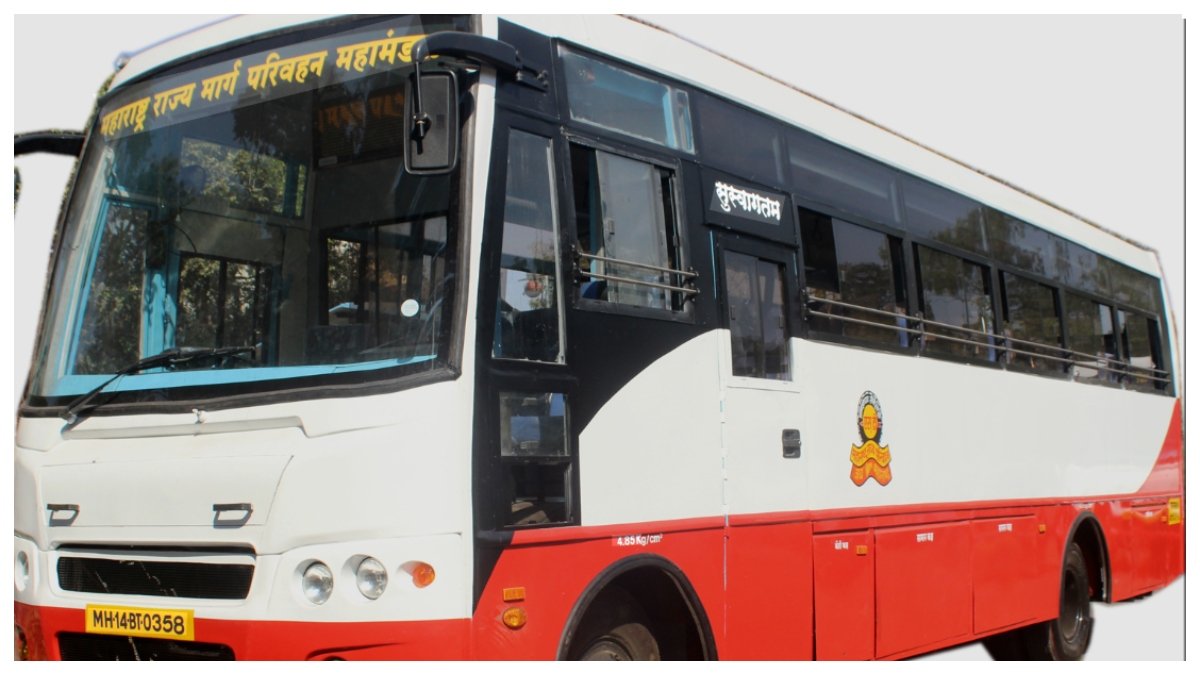
Mumbai: Travelling by Maharashtra State Road Transport Corporation (MSRTC) buses has become costlier from July 18 after the State Transport Authority (STA) approved a fare revision. The increase comes as the transport corporation faces rising fuel prices, higher maintenance expenses and increased employee-related costs.
The revised fares came into effect from midnight between July 17 and July 18.
Why Were Bus Fares Increased?
According to MSRTC, the fare revision was necessary because diesel prices have risen due to the geopolitical situation in the Gulf region. Apart from fuel costs, the corporation is also spending more on employee allowances, spare parts, tyres and vehicle maintenance.
Maharashtra Transport Minister and MSRTC Chairman Pratap Sarnaik said the hike was unavoidable. He added that the increase has been kept as low as possible to reduce the burden on passengers while helping the corporation maintain uninterrupted bus services.
New Fare Structure
The fare for ordinary buses has been increased by 13.56% and is now fixed at ₹11.40 per stage. Semi-luxury buses will charge ₹13.65 per stage, while ordinary sleeper-seater and sleeper buses will charge ₹15.50 and ₹16.75 per stage, respectively.
For premium services, Shivshahi AC seater buses will charge ₹14.20 per stage, Shivshahi AC sleeper buses ₹15.35, Shivneri AC seater buses ₹21.25, and Shivneri AC sleeper buses ₹25.35 per stage.
The revised fare charts have been rounded off to the nearest multiple of ₹5.
Impact on Passengers
MSRTC said fares on major inter-city routes will increase by around ₹15 to ₹25 for ordinary buses. For example, the Mumbai-Satara fare has increased to ₹555 from ₹498, Mumbai-Solapur to ₹800 from ₹705, and Pune-Solapur to ₹480 from ₹454.
The corporation has also withdrawn the existing 10% seasonal fare hike on ordinary buses, which was earlier extended till the end of July.
Relief for Conductors
The Maharashtra ST Employees Congress welcomed the move to round ticket prices to the nearest multiple of ₹5. It said the change will reduce the long-standing problem of handling small change and make ticketing easier for both passengers and conductors.
MSRTC operates more than 14,000 buses and serves nearly 55 lakh passengers every day, making it one of India’s largest public transport networks.